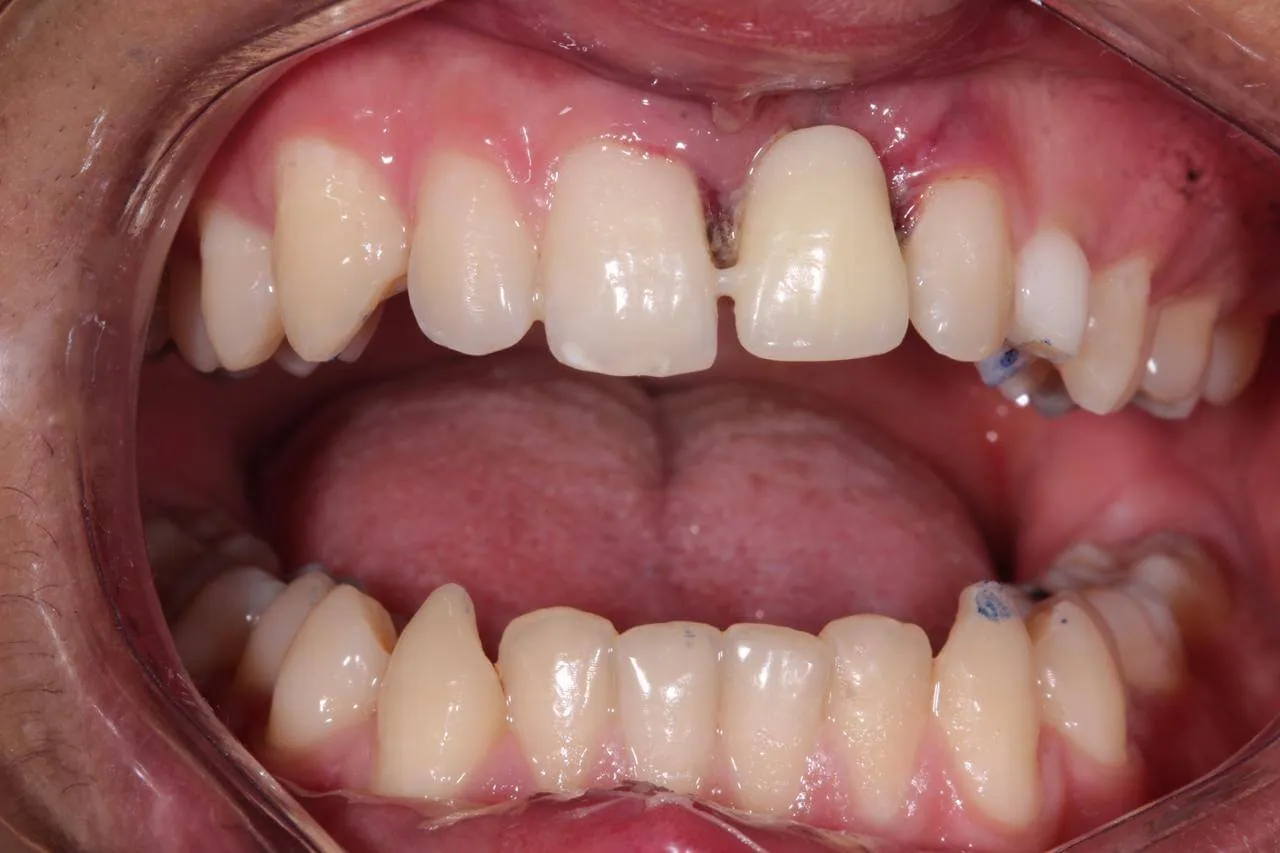
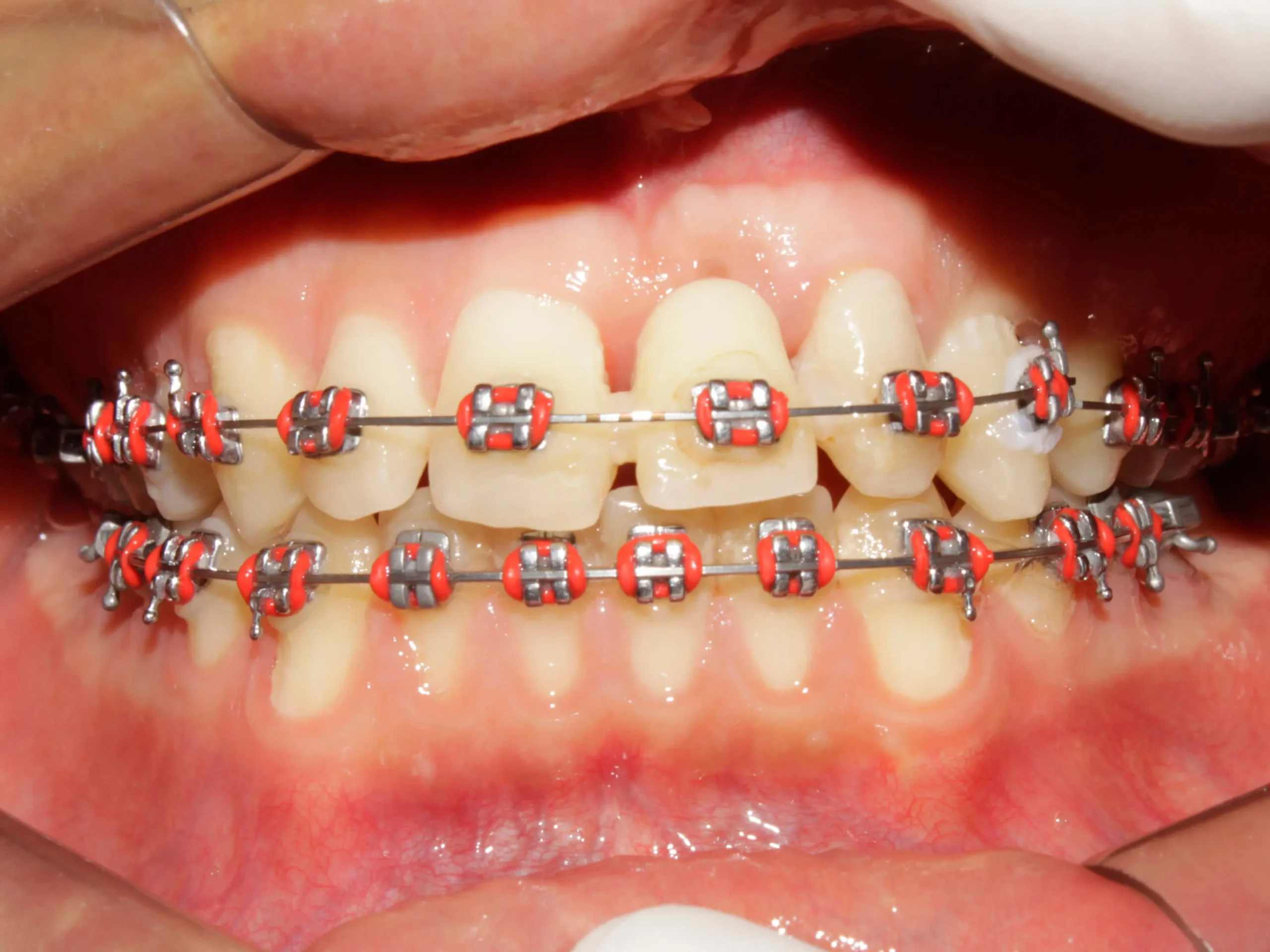
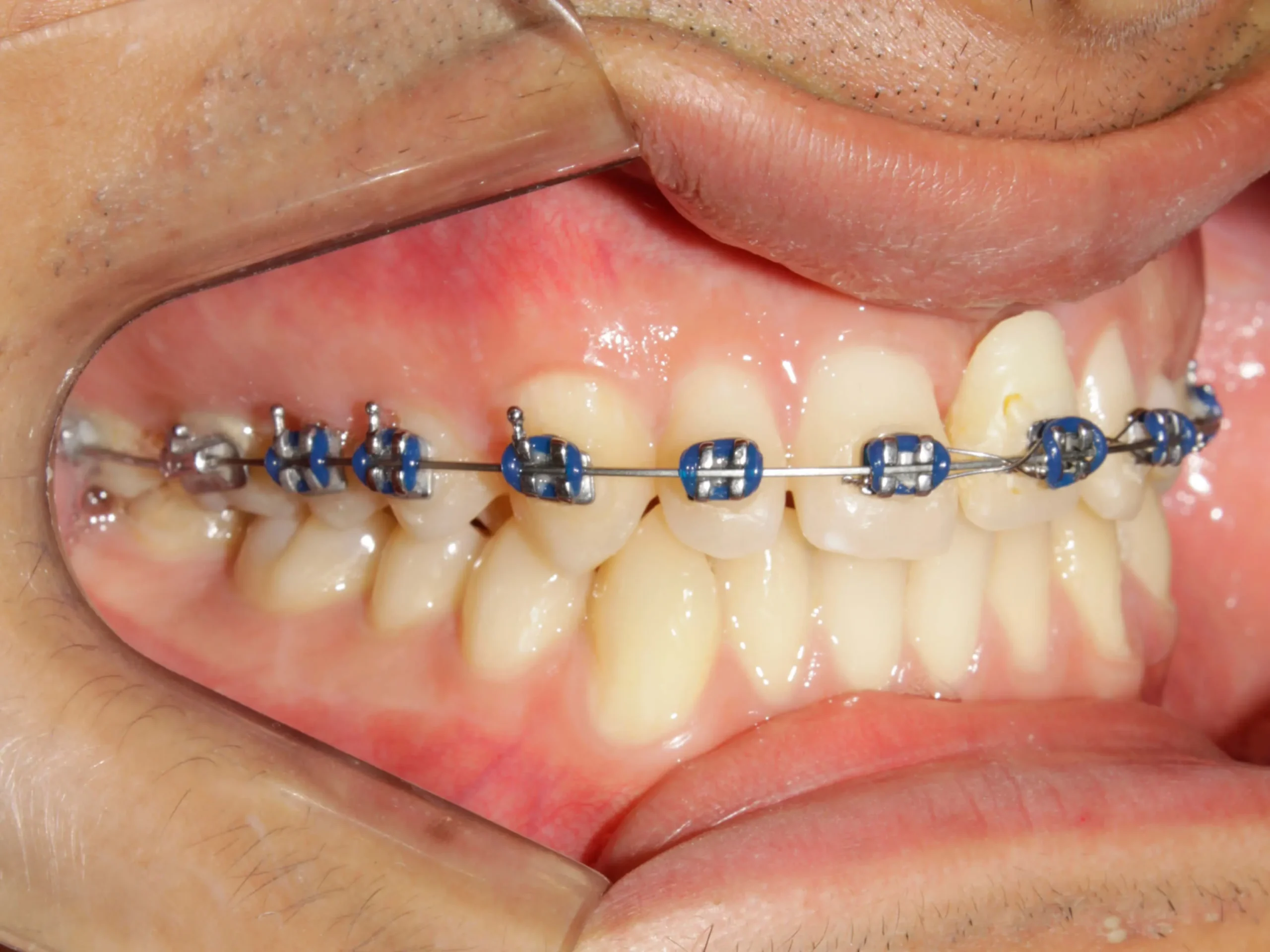
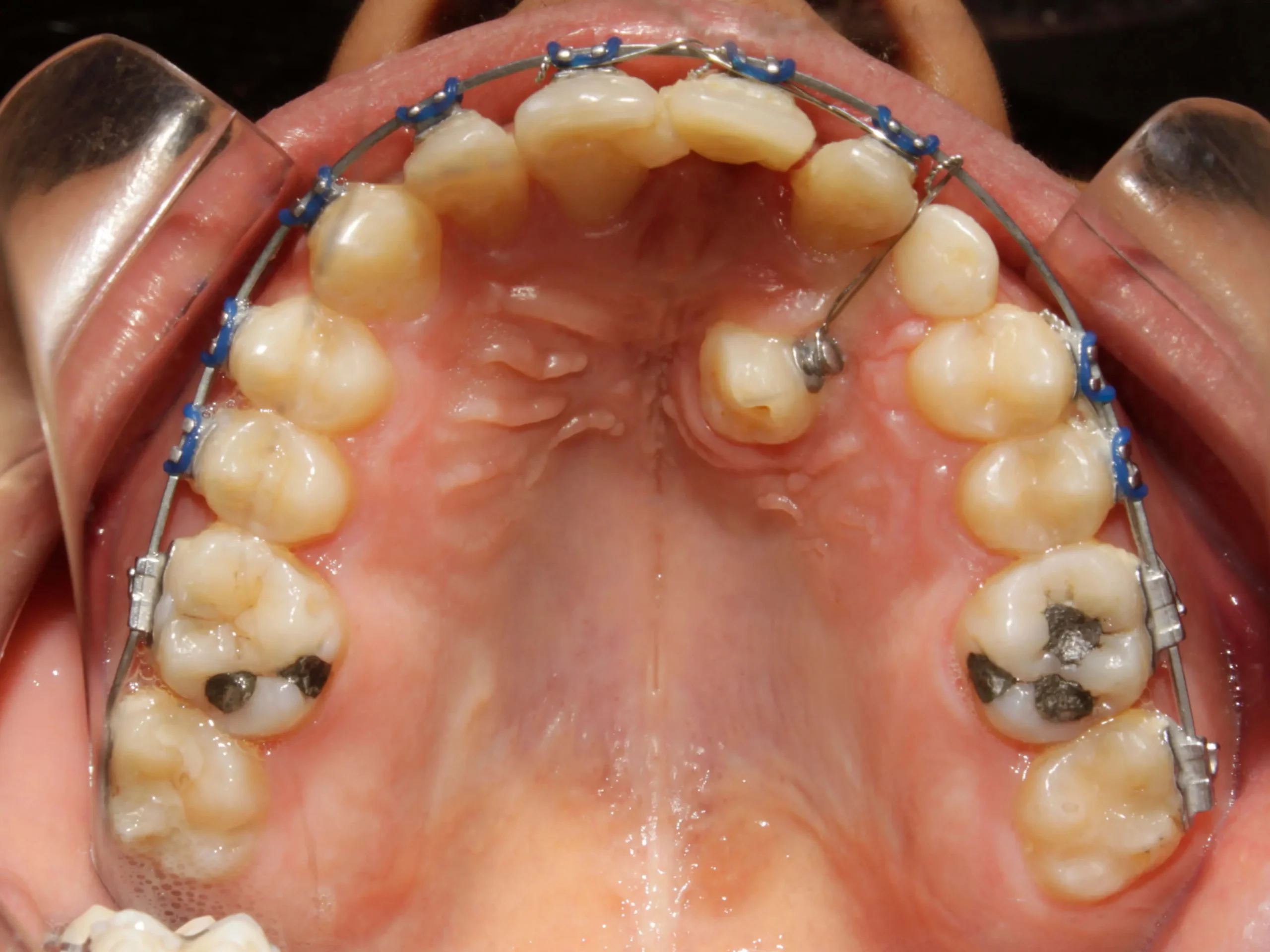
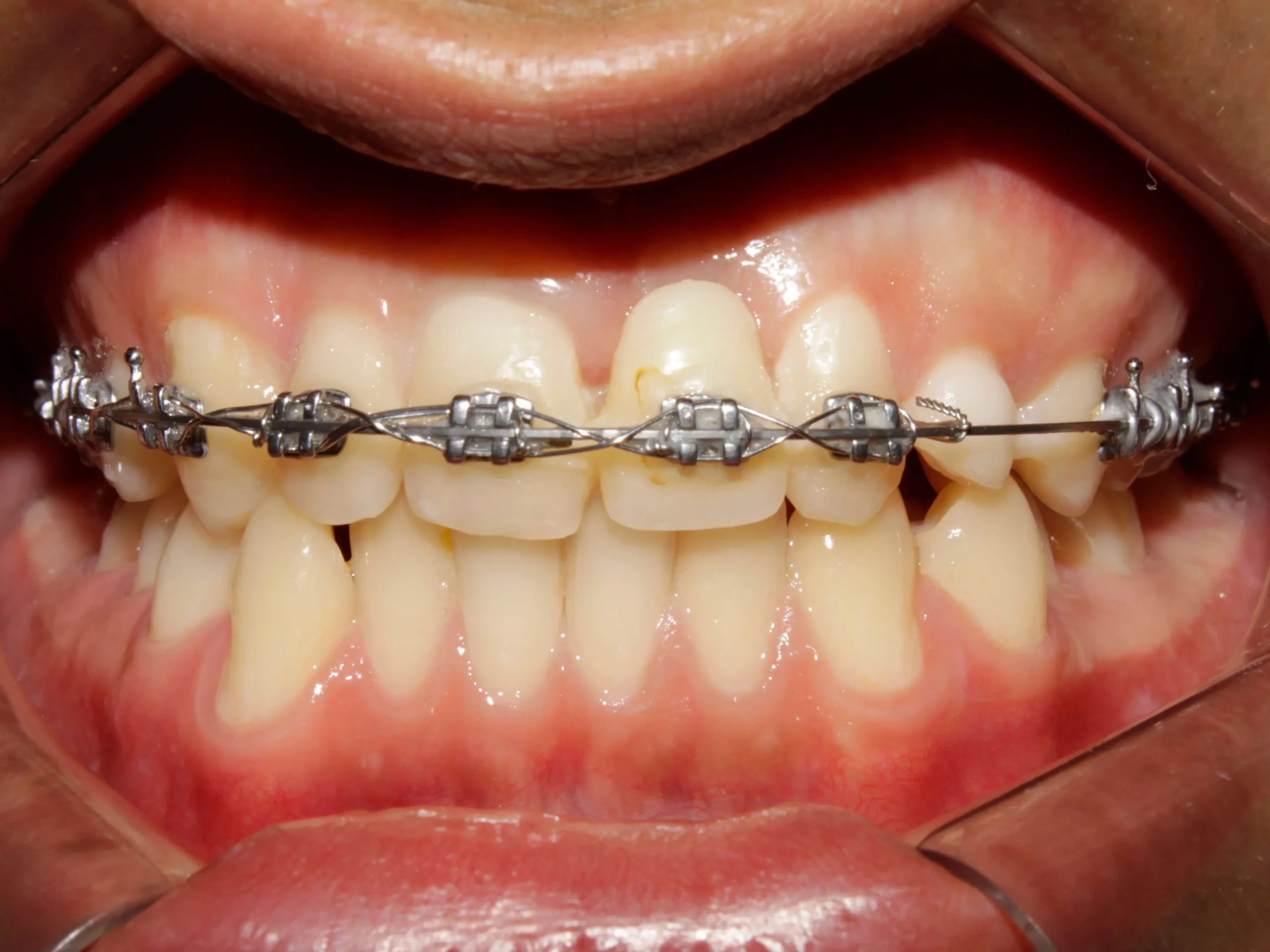
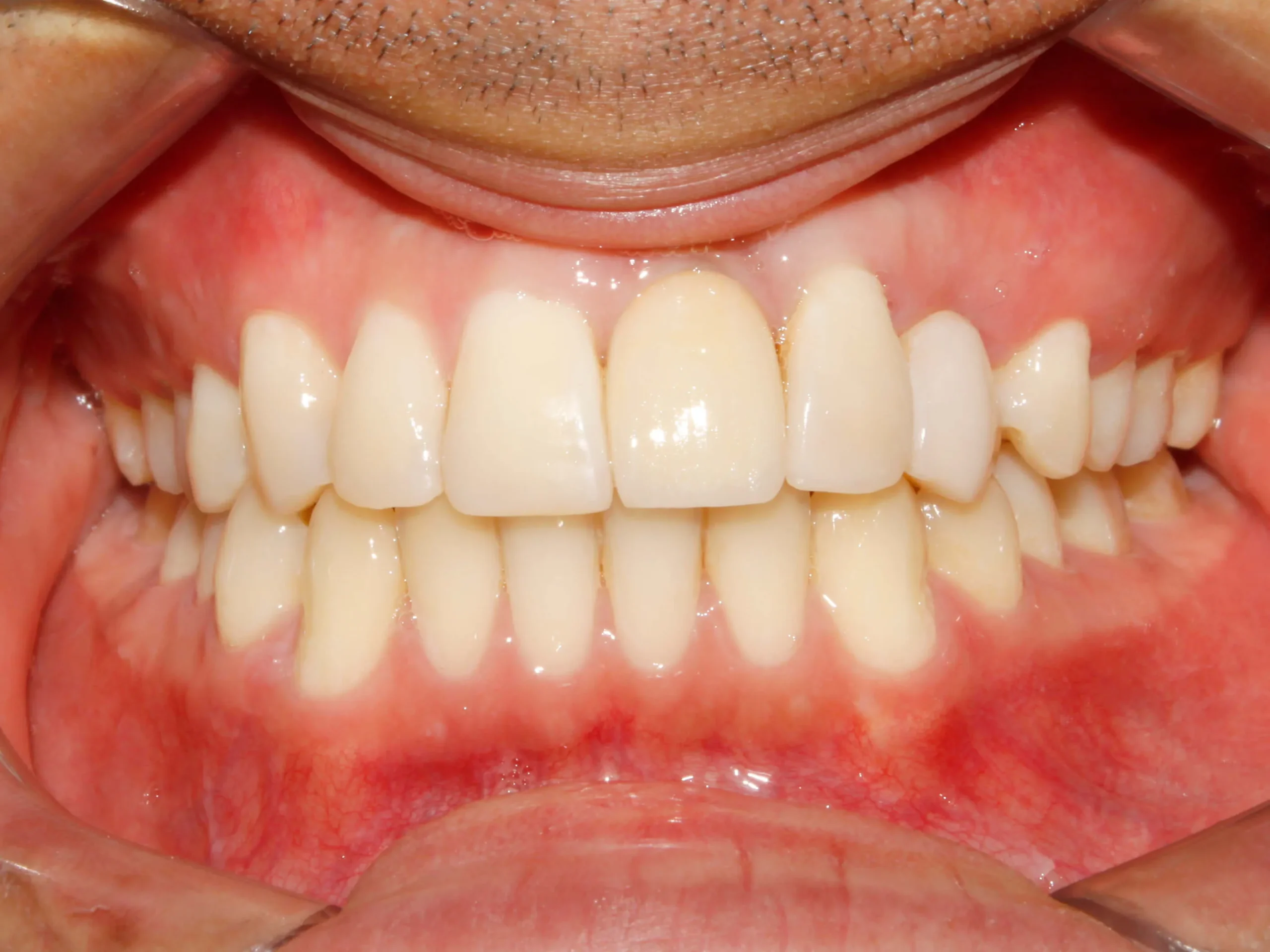
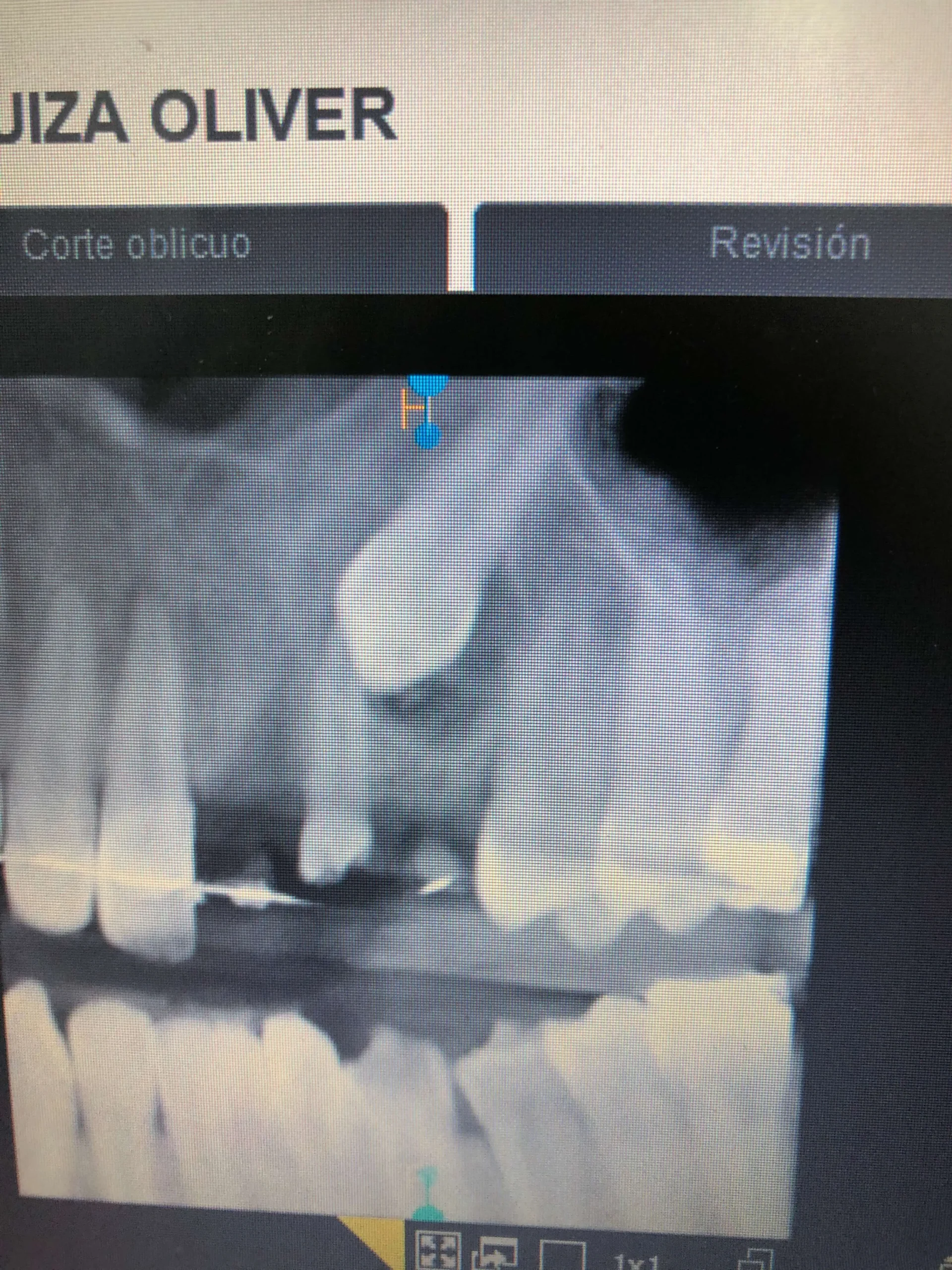
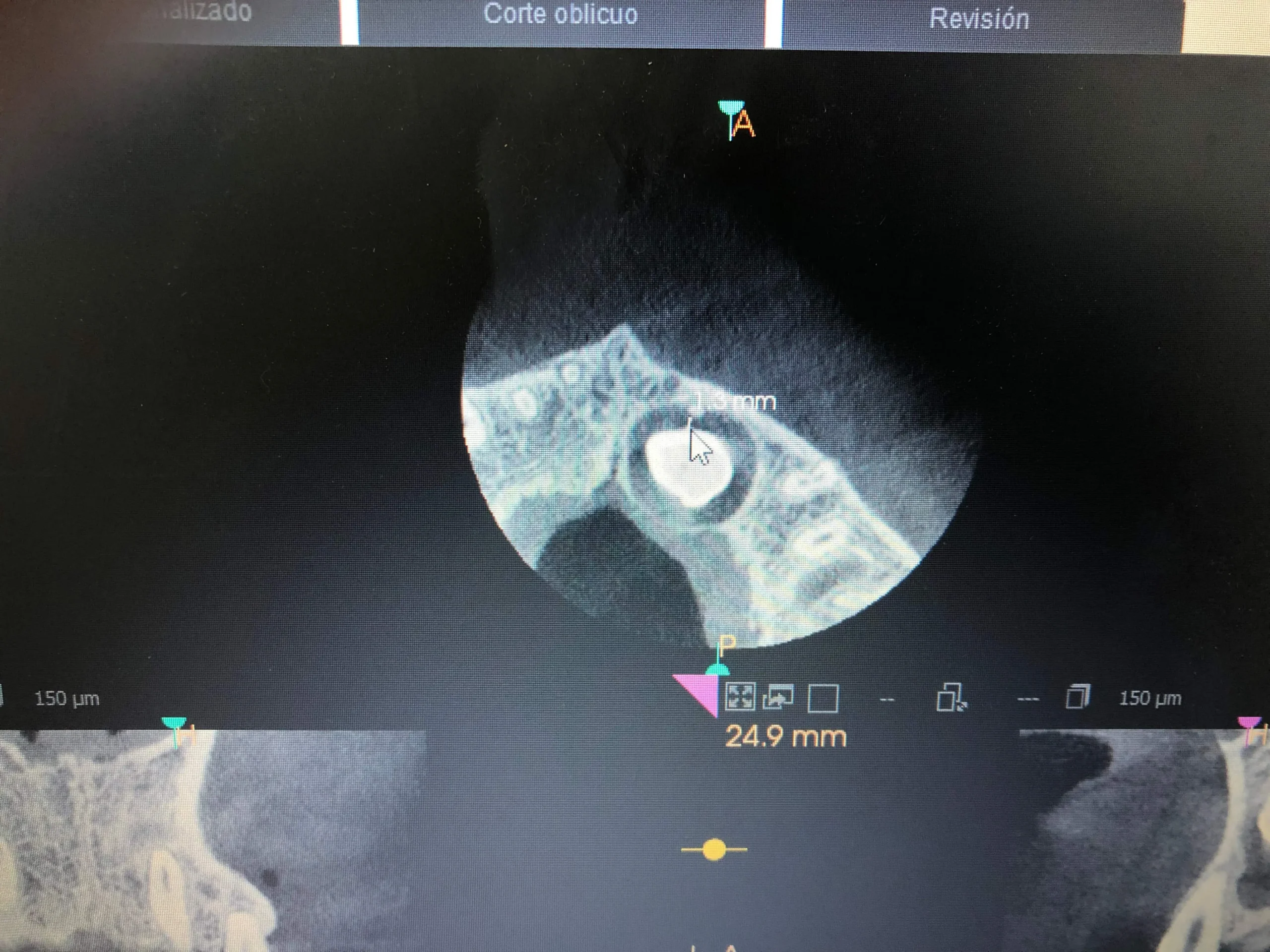
Among the various pathologies that can arise within the oral cavity, probably one of the least known, but quite frequent especially in wisdom teeth, is that which affects the impacted tooth. This problem arises when the tooth fails to emerge from the gum, remaining in the bone or emerging only partially. The main causes are: – lack of space at the level of the alveolar bone.
- Narrow palate
- Dental crowding
- Crooked teeth
- Uneven mandibular development
- Previous dental pathologies not treated adequately (e.g., cysts)
The most common impacted teeth are:
A.- THE CANINE:
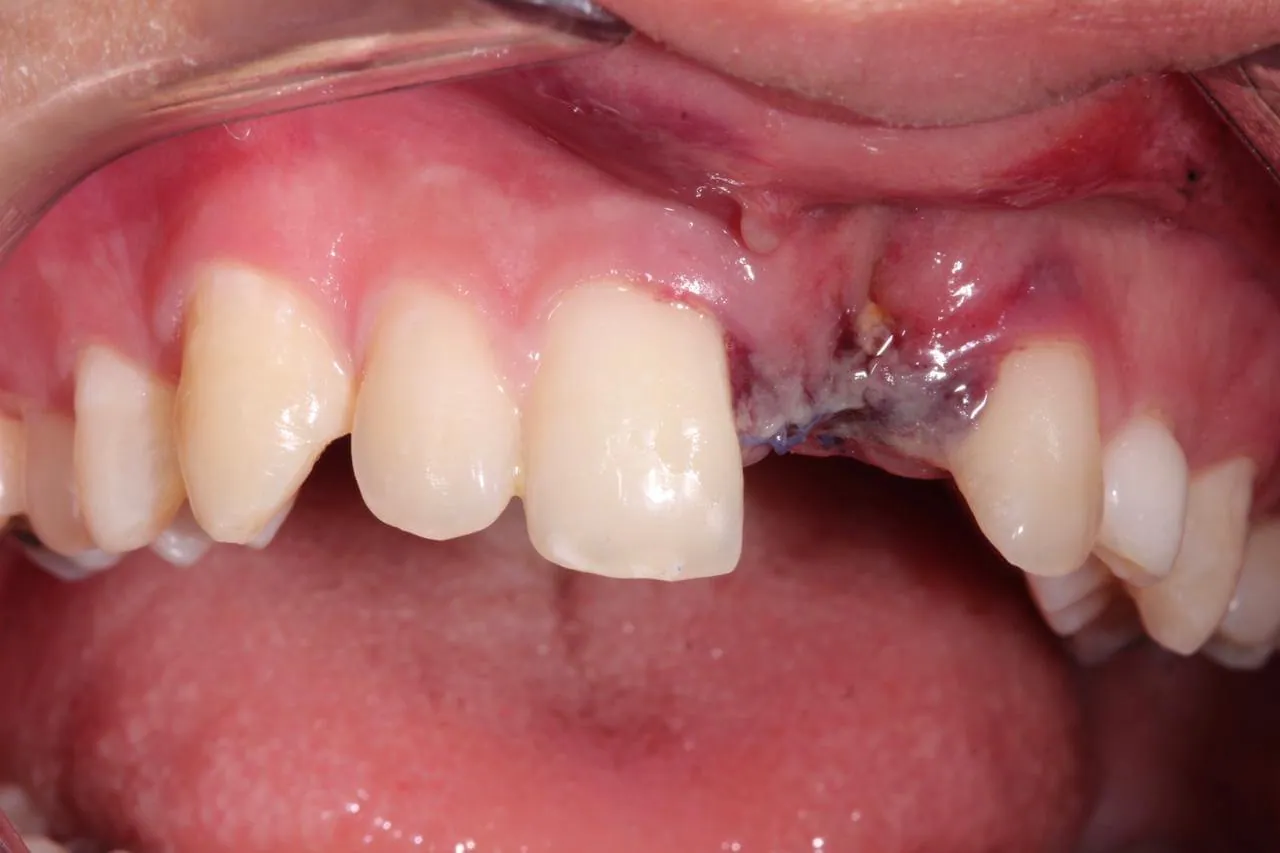
These are the ones that experience the greatest functional difficulties. This is because they guide the jaw in lateral movements and therefore, if a canine is missing, problems related to chewing frequently arise. It is necessary to intervene immediately, especially if the patient is a child.
B.- WISDOM TOOTH:
Generally, the dentist usually opts for the extraction of wisdom teeth, whether they are the upper or lower ones. This happens because they are in a position that is not very easy to clean and many times, unlike the impacted canine, it does not affect chewing. Wisdom teeth can appear even at an advanced age. They can be especially annoying for the teeth that are nearby because, when they do not find space, they emerge from the gum misaligned, causing infections or cavities in the 2nd molars.
Therefore, when you have an impacted tooth, you should contact VDENT immediately, as we will choose the best therapeutic approach to solve the problem. In fact, there is no standard therapy, but multiple solutions depending on the specific case. For example, if the tooth does not give rise to any symptoms and all the elements remain well aligned, you can also choose not to intervene, but constantly monitor the evolutionary process of the pathology over time.