Why is it called Endodontic Microsurgery?
Because it is performed entirely under the Operating Microscope, from the incision to the suture, and because it is an Endodontic procedure performed through a surgical flap. It is not just a surgical procedure to remove inflammatory tissue or the cyst wall if there is a cystic lesion. It is a surgically performed Endodontic therapy intervention, with the aim of cleaning, disinfecting, and sealing the root canal with a surgical approach, given that the traditional approach had not been possible.
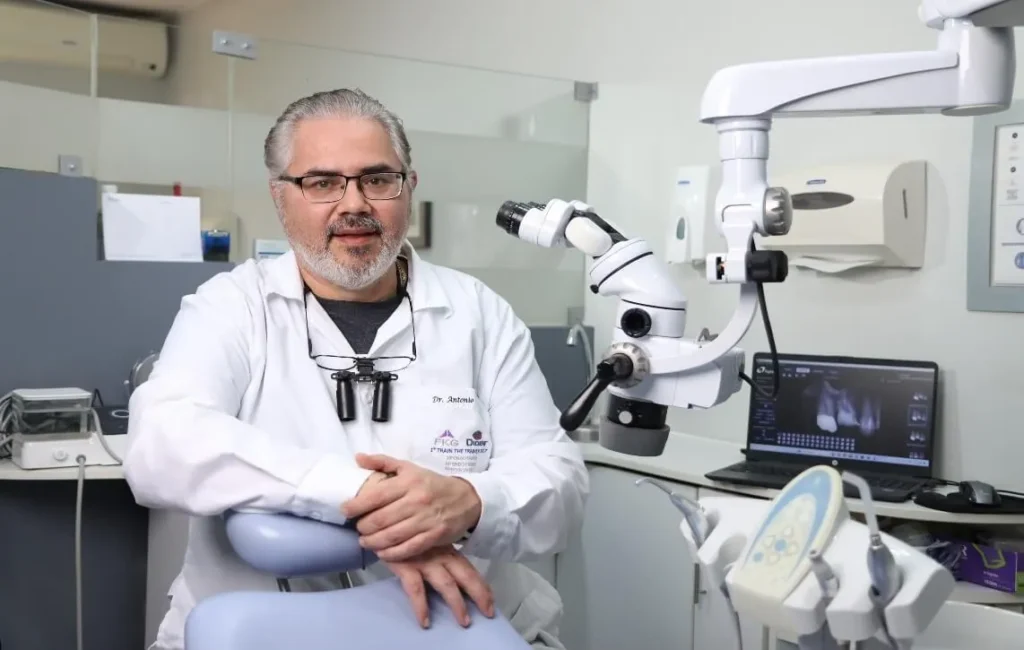
Dr. Antonio Denegri

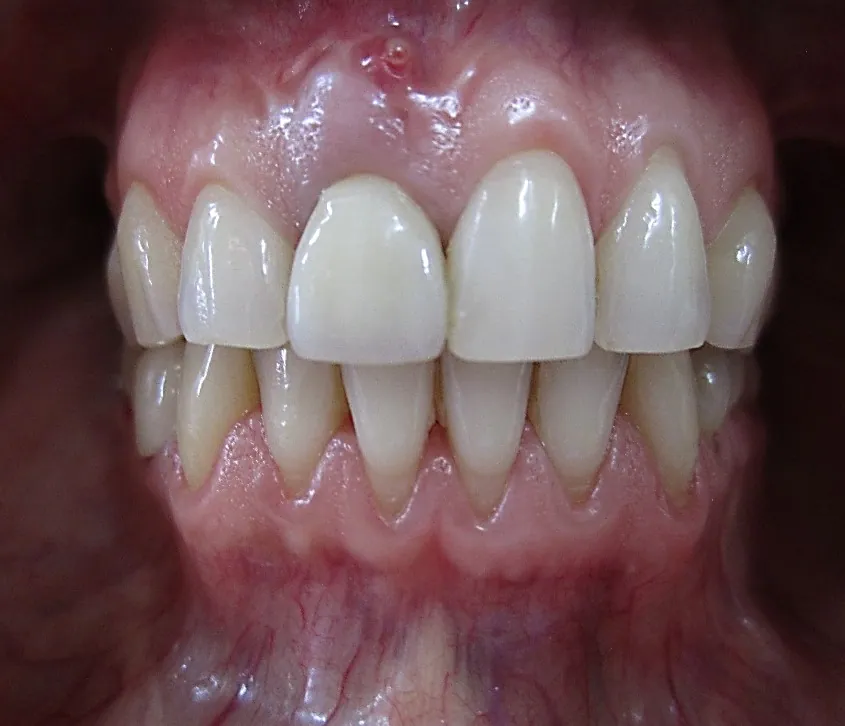
Who can perform surgical endodontic therapy?
All dentists have received instructions during their university specialization; however, since surgical therapy can sometimes be more difficult than orthograde therapy, many dentists prefer to refer patients requiring surgery to an Endodontist. At Vdent, we have
When is surgery necessary?
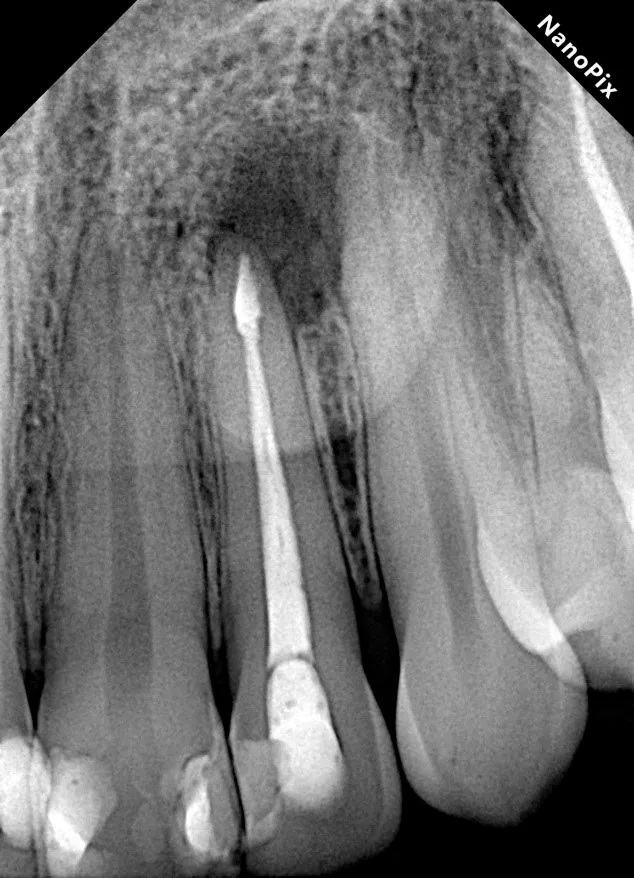
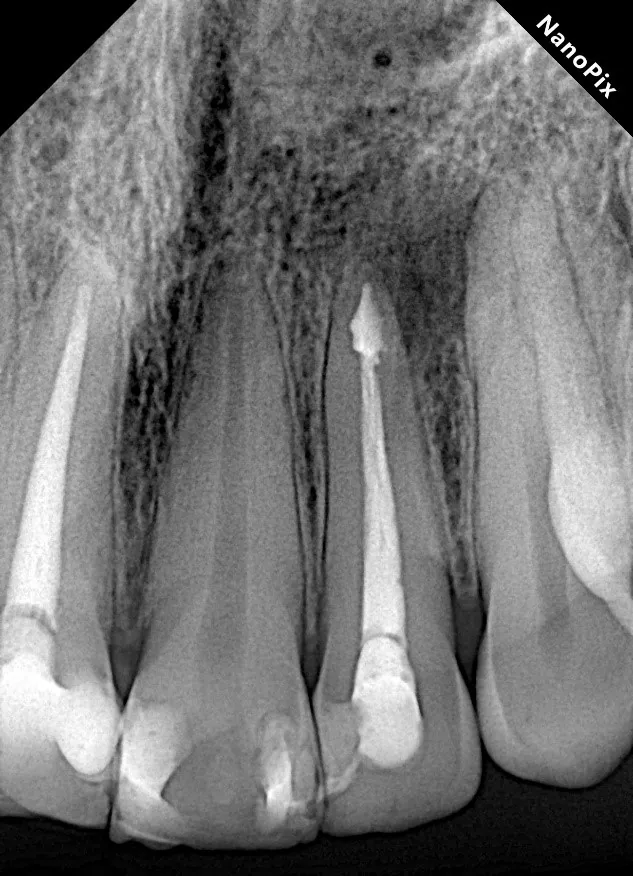
What does an apicoectomy consist of?
This is the operation by which the endodontist cuts the gum tissue near the root of the affected tooth to remove infected and inflamed tissue, removes the most apical portion of the root, creates a small cavity inside the canal that is then sealed with what is called “retrograde filling.” Then some stitches are placed to ensure perfect healing. Over the course of a few months, the bone grows around the healthy root and the inflammatory tissues disappear.
Is it a painful procedure?
The operation is performed under local anesthesia and is generally followed by very mild discomfort and possibly very mild swelling, all due to the trauma of the operation. Obviously, the endodontist will give the patient the postoperative instructions to follow.
How long does postoperative recovery last?
Generally, the endodontist recommends avoiding physical exertion or any type of physical activity for the same day and, even better, for the following day. A soft diet is recommended. The stitches are removed after 7 days.
INTENTIONAL REIMPLANTATION:
As an alternative to DENTAL EXODONTIA.
Intentional reimplantation is indicated in cases where it is practically impossible to carry out adequate root canal treatment or retreatment, or when apical surgery may be compromised, such as:
a) the location of the tooth in the arch, considering the thickness of the bone surrounding it
b) the proximity of other anatomical structures such as the inferior dental nerve or the maxillary sinus
c) the location of the defect to be corrected
d) the patient’s tolerance to undergoing extensive surgery
e) the presence of internal or external resorption
f) patients who present with trismus, that is, who cannot perform an adequate mouth opening to perform endodontic or surgical treatment.
g) when apical surgery could remove enough bone to cause a periodontal pocket.
h) When there is a separated instrument that cannot be removed.
i) previous root canal treatments grossly over-obturated that interfere with periapical healing.
At VDENT we have one of the few specialists in PERU, Dr. Antonio Denegri, who is capable of performing this treatment to avoid DENTAL EXTRACTION.
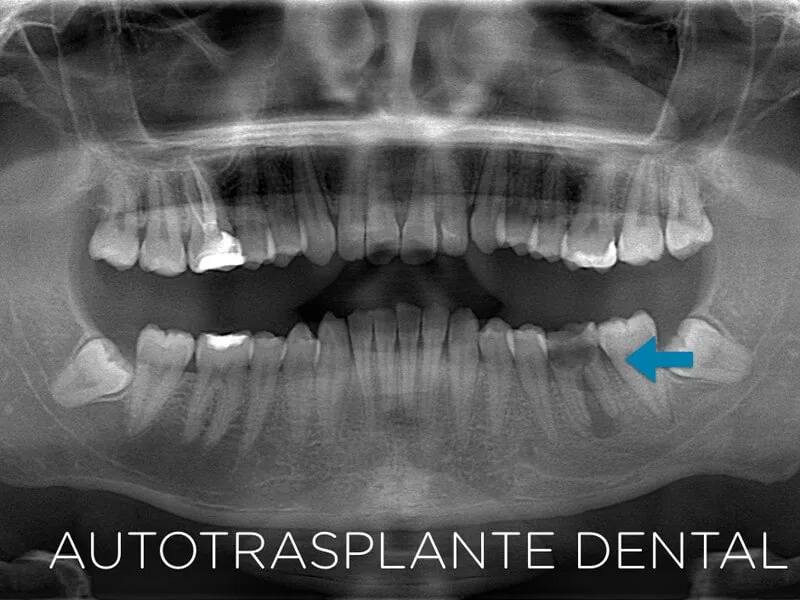
AUTOTRANSPLANT:
It is a technique that consists of moving or relocating a tooth in the position of another, from the same person. It is a technique that, when done well, has a success rate of 75-90%.
Normally, they are usually performed with the third molars (wisdom teeth) or with the premolars or canines.
The most important thing about dental autotransplantation is planning. The case and the patient must be taken into account, since all collaboration on the part of the patient must be counted on, both to carry it out and for its subsequent follow-ups.